


-

Add: HeBei ShengShi HongBang Cellulose Technology CO.,LTD.
-

Email
13180486930@163.com -

CONTACT US
+86 13180486930
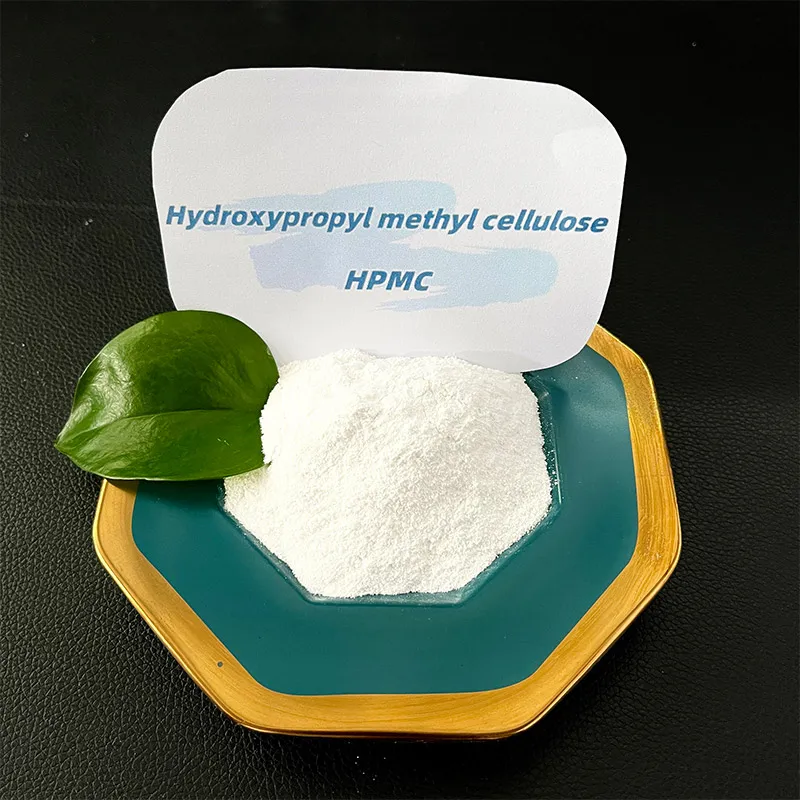
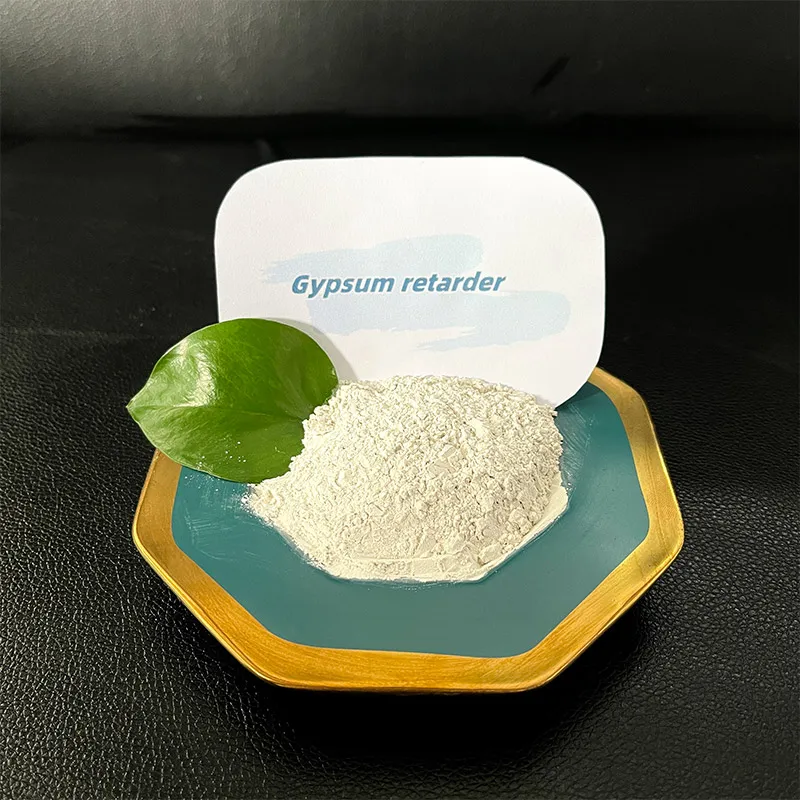



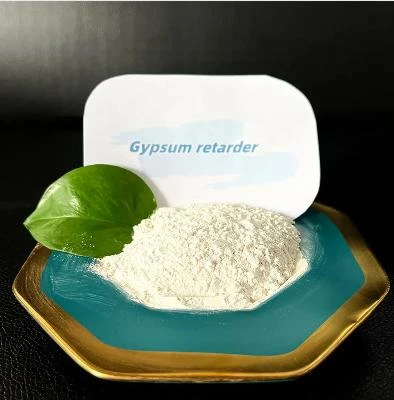
Gypsum retarder, field-tested: the tiny dose that saves your schedule If you’ve ever watched a batch of plaster stiffen just as you’re setting the bead, you already know why a plaster retarder matters. In practice, it’s the difference between frantic re-mixing and a clean, predictable finish. HeBei ShengShi HongBang Cellulose Technology CO., LTD (Room 1904, Building B, Wanda Office Building, JiaoYu Road, Xinji City, Hebei Province) makes a solid, production-grade solution simply called Gypsum retarder. I’ve used similar blends on job sites and in pilot lines; this one checks the right boxes. What it is and why it works Technically, a plaster retarder slows the hydration and crystallization of calcium sulfate hemihydrate (stucco) into dihydrate (set gypsum). Organic acid salts (think citrate/tartrate families) and refined protein modifiers adsorb on crystal nuclei, delaying growth. The result: extended working time, steadier flow, and—when dosed correctly—no real hit on final strength. Many customers say the biggest surprise is consistency from morning to late afternoon pours, despite temperature swings. Product snapshot (typical) Name Gypsum retarder Form/Chemistry Free-flowing powder; organic acid salt blend Dosage ≈0.05–0.30% by weight of gypsum (real-world use may vary) Set-time extension +20 to +120 min vs. control (ASTM C472 Vicat) pH (1% sol.) ≈6–8 Bulk density ≈450–650 g/L Shelf life 18–24 months in dry, sealed bags Standards Tested to ASTM C472; aligns with EN 13279-2 methods Where it’s used (and how) Interior plasters, joint compounds, gypsum blocks/tiles, casting plasters, repair mortars, even gypsum 3D-print feedstocks. Typical method: dry-blend into powder formulation or premix in gauging water; mix 2–3 minutes for uniformity. Process flow: raw gypsum selection → calcination → blending (fillers, polymers, plaster retarder ) → QC tests (Vicat set, flow cone, compressive strength) → bagging. Testing standards: ASTM C472 (set/consistency), EN 13279-2 (workability/strength). Some buyers also look for ISO 9001 quality systems. Service life in application: extended open time 20–90 minutes, depending on climate and dosage. Quick field data from recent plant trials: at 0.12% dosage, initial set moved from 12 to 52 minutes; compressive strength at 7 days retained 95% of control; water demand rose ≈1.5%. Honestly, that’s right in the sweet spot—usable pot life without mushy edges. Vendor comparison (indicative) Vendor/Type Typical dosage Strength retention Notes SSH-BHPMC Gypsum retarder 0.08–0.20% ≈92–98% Balanced set control; stable in warm climates Generic citrate-based 0.10–0.30% ≈90–96% Economical; may need defoamer Legacy protein-based 0.20–0.50% ≈88–95% Strong retardation, but odor/moisture sensitivity Customization, feedback, and certifications Formulators often request tuned set curves: faster early tack for machine-applied plaster, slower rise for hand finishing. SSH-BHPMC offers custom blends and supports plant trials—helpful, because real sand gradation and ambient humidity always push back. Contractors we spoke with liked the “predictable mornings” (their phrase), and a prefab panel line in Southeast Asia reported a 7% rework drop after switching dosing from 0.18% to 0.14% with tighter QC. Documentation commonly provided: SDS, technical data sheet; quality systems aligned with ISO 9001; testing per ASTM C472/EN 13279-2. Advantages you actually notice Cleaner edges and longer trowel time, without gummy overrun. Reduced cold-joint risk across large wall pulls. Stable performance across seasons—surprisingly forgiving in summer. Fine-tunable dosing; plays well with HPMC, starch ether, and defoamers. Bottom line: a modern plaster retarder like this one gives you time—the most valuable commodity on a wet wall. Start at 0.10% in temperate weather, validate with ASTM C472 in-house, and nudge by ±0.02% until your crews say, “Don’t touch it.” To be honest, that’s usually the best KPI you’ll get. Authoritative citations ASTM C472: Standard Test Methods for Physical Testing of Gypsum, Gypsum Plasters and Gypsum Concrete. EN 13279-2: Gypsum binders and gypsum plasters – Test methods. ISO 9001:2015 Quality management systems – Requirements. ECHA Guidance on Registration under REACH (re: additives in mixtures), European Chemicals Agency.
- 40000tons

Production
- 20+years

Experience
- 5000+㎡

Acreage

-
In the world of plastering and construction, achieving optimal working time and preventing premature setting are crucial factors for ensuring high-quality results. One of the most effective solutions is the use of cream of tartar plaster retarder . This naturally occurring substance is increasingly being utilized in the formulation of gypsum-based products due to its ability to extend working time, improve the application process, and maintain the consistency of plaster during drying. In this article, we will explore the importance of cream of tartar plaster retarder and other key retarders in gypsum products , and how these additives are transforming the plastering industry. Why Cream of Tartar Plaster Retarder is Essential in Gypsum-Based Products Cream of tartar plaster retarder plays a vital role in gypsum-based products, particularly in extending the workability of plaster. Gypsum, a commonly used material in construction, sets quickly once mixed with water. While this rapid setting is beneficial in certain applications, it can be problematic when more time is needed to apply the plaster evenly or when working with intricate designs. By incorporating cream of tartar plaster retarder into the mix, the setting time is slowed, allowing plasterers more flexibility to work with the material before it hardens. This retarder works by delaying the crystallization process of gypsum, which is responsible for its quick setting. With a cream of tartar plaster retarder , contractors can achieve a smooth, uniform finish with less pressure and more time to adjust the plaster before it begins to set. This is especially beneficial in larger or more complex projects, where detailed craftsmanship is required, ensuring that the plaster doesn’t dry too fast before it can be applied correctly. The Benefits of Using Extra Time Plaster Additive in Large-Scale Projects An extra time plaster additive is a key tool for ensuring that plaster sets at a controlled rate, which is particularly useful in large-scale or intricate projects. Large surfaces, such as ceilings or walls in commercial buildings, require a more extended working period to apply the plaster evenly. In such cases, an extra time plaster additive allows workers to apply the plaster smoothly without worrying about it drying out too quickly. By adding extra time plaster additive to the gypsum mix, you can ensure that the material remains workable for longer periods. This can make a significant difference in ensuring that the plaster adheres properly and does not form unsightly cracks or imperfections during the drying process. Moreover, the longer workability period enhances the efficiency of the entire plastering team, as it reduces the need for constant re-mixing of the product and provides more time to apply the material precisely. Another key benefit is the reduction of waste. When working under time constraints, contractors often find themselves discarding large amounts of plaster that have hardened prematurely. The use of extra time plaster additive minimizes this issue, ensuring that the plaster remains usable for extended periods without the need for frequent remixes. Understanding the Role of Gypsum Retarder Chemicals in the Construction Industry Gypsum retarder chemicals are essential additives in the construction industry, especially when working with gypsum products like plaster, drywall, and cement. These chemicals serve to delay the setting time of gypsum, ensuring that the material remains malleable and workable for longer. Gypsum itself is a fast-setting material, which can be advantageous in some applications but challenging in others. By incorporating gypsum retarder chemicals , contractors can optimize the workability and overall finish of the product, reducing the risk of defects caused by premature setting. Retarder chemicals work by inhibiting the formation of crystals within the gypsum mix. This allows workers to apply the product more evenly and with more control, particularly in situations that require precise application, such as when smoothing out surfaces or forming intricate details. In the case of gypsum retarder chemicals , the goal is to extend the open time of the product without compromising its final strength or durability. Additionally, gypsum retarder chemicals help to improve the overall quality of gypsum-based products by ensuring that they have a uniform texture and finish. This is especially important in high-demand environments such as commercial or residential construction, where the appearance and durability of the final product are critical. The Importance of Retarders in Gypsum Products for Quality Control Retarders in gypsum products are a crucial part of quality control in construction and plastering. These additives are used to adjust the setting time of gypsum, ensuring that the material remains workable and easy to manipulate until the desired finish is achieved. Without retarders, gypsum-based products would set too quickly, leading to uneven application, poor bonding, and an overall inferior finish. The use of retarders in gypsum products improves the consistency and reliability of plaster and other gypsum-based materials. Whether it’s for large-scale construction projects or smaller renovations, the ability to control the setting time of gypsum is invaluable. For example, during the application of plaster on complex surfaces or for detailed architectural features, a longer working time is essential. This is where retarders in gypsum products come into play—allowing workers to apply the product smoothly and with precision, avoiding issues such as cracking or difficulty in finishing. Moreover, retarders in gypsum products can enhance the sustainability of the project by reducing waste. Faster setting times often lead to excess material being discarded as it hardens before it can be applied. Retarders help extend the usability of gypsum, minimizing this issue and promoting a more efficient and cost-effective process. The use of cream of tartar plaster retarder , extra time plaster additives , and gypsum retarder chemicals is essential in the production of high-quality gypsum-based materials. These additives not only improve the workability and flexibility of plaster but also ensure that it sets at a controlled rate, providing contractors with the time needed to achieve a perfect finish. Whether for large-scale construction or intricate plastering tasks, retarders play an integral role in extending working time, preventing premature setting, and improving the overall quality of the product.
-
HPMC (Hydroxypropyl Methylcellulose) là một polymer bán tổng hợp, có khả năng hòa tan trong nước, được sử dụng rộng rãi trong nhiều ngành công nghiệp, bao gồm thực phẩm, dược phẩm, mỹ phẩm và vật liệu xây dựng. Với việc chú trọng vào các tiêu chí E-E-A-T (Experience, Expertise, Authoritativeness, Trustworthiness), bài viết này sẽ cung cấp cái nhìn sâu sắc về các cấp độ (grades) của HPMC và cách chúng có thể đáp ứng nhu cầu của các ngành công nghiệp khác nhau. Một trong những yếu tố quan trọng nhất khi lựa chọn HPMC là sự đa dạng của các cấp độ, mỗi cấp độ được thiết kế để đáp ứng các nhu cầu cụ thể. Các cấp độ của HPMC được phân loại dựa trên độ nhớt, mức độ polymer hóa và thành phần hóa học. Độ nhớt của HPMC có thể dao động từ rất thấp đến rất cao, tương ứng với khả năng tạo độ dày hoặc ổn định của sản phẩm cuối cùng. Khả năng điều chỉnh độ nhớt làm cho HPMC trở thành lựa chọn lý tưởng cho các ứng dụng như chất làm đặc, chất ổn định trong mỹ phẩm, hoặc tá dược trong ngành dược phẩm. Kinh nghiệm sử dụng HPMC trong các ngành công nghiệp cho thấy rằng sự lựa chọn cấp độ phù hợp là cần thiết để tối ưu hóa hiệu suất sản phẩm. Ví dụ, trong ngành dược phẩm, HPMC được đánh giá cao trong việc sản xuất thuốc viên giải phóng theo thời gian. Với các cấp độ có độ nhớt cao, HPMC có thể tạo ra một lớp màng bao bên ngoài viên thuốc, đảm bảo thuốc được phát hành từ từ qua thời gian, cải thiện hiệu quả điều trị và giảm tác dụng phụ. Về mỹ phẩm, HPMC giúp cải thiện độ ổn định và cảm giác trên da của sản phẩm . Các cấp độ HPMC thấp thường được sử dụng trong các sản phẩm dưỡng ẩm và serums để tạo kết cấu mượt mà và dễ thẩm thấu. Sự linh hoạt của HPMC trong việc hình thành các loại gel và dung dịch giúp tăng cường cảm giác mềm mịn khi bôi sản phẩm lên da, tạo ra trải nghiệm người dùng tích cực. HPMC như các cấp Trong xây dựng, HPMC được sử dụng như một phụ gia cải thiện khả năng chống nước và độ bền của vữa. Các cấp độ có độ nhớt cao là lựa chọn hàng đầu trong việc cải thiện những đặc tính này, vì chúng tạo ra một mạng lưới polymer mạnh mẽ, chống thấm và chịu lực tốt. Điều này không chỉ giúp kéo dài tuổi thọ của các công trình xây dựng mà còn giảm thiểu chi phí bảo trì. Sự uy tín và tính chuyên môn khi sử dụng HPMC trên toàn cầu được củng cố qua nhiều nghiên cứu và báo cáo kỹ thuật. Các nhà khoa học và chuyên gia công nghiệp đã tiến hành nhiều thí nghiệm và phân tích để xác nhận tính hiệu quả và an toàn của HPMC ở các cấp độ khác nhau. Sự tin tưởng vào HPMC đến từ việc nó được kiểm nghiệm qua thời gian, và được chấp thuận bởi nhiều cơ quan kiểm định chất lượng quốc tế. Tính đáng tin cậy của HPMC cũng được thể hiện qua khả năng tái tạo và an toàn với môi trường. Được sản xuất từ cellulose thực vật, HPMC không chỉ bền vững mà còn an toàn, không gây nguy hại cho con người và hệ sinh thái. Điều này tạo ra sự hấp dẫn cho các công ty quan tâm đến phát triển bền vững. Có thể thấy, sự thấu hiểu sâu sắc về các cấp độ khác nhau của HPMC và ứng dụng phù hợp không chỉ tăng cường hiệu suất sản phẩm mà còn tạo ra giá trị lâu dài cho cả doanh nghiệp và người tiêu dùng. Sự kết hợp giữa trải nghiệm thực tế và kiến thức chuyên sâu chính là yếu tố quan trọng đưa HPMC trở thành lựa chọn hàng đầu trong nhiều ngành công nghiệp.
advantages
-

200000 Viscosities
Excellent product
We can produce pure products up to 200,000 viscosities
-

40000 tons
High yield
We don’t stop production all year round, and the annual output can reach 40,000 tons
-

24 hours
Quality service
We provide 24-hours online reception service, welcome to consult at any time
———— Inquiry Form
Schedule A services
-
 wazalishaji_wa_nyuzi_za_polypropen
Oct . 25, 2025
Navigating the Complex World of Rubber Powder Buyers Rubber powder has emerged as a crucial industri - cellulose_and_lignin_in_wood
Oct . 25, 2025
In the ever-evolving landscape of sustainable manufacturing, high-performance environment-friendly r -
 hydroxypropyl_methylcellulose_uses_in_tablets
Oct . 25, 2025
Exploring the HPMC Chemical Structure A Scientific Perspective The chemical structure of Hydroxyprop


